19 March 2026
10 min read

Complete Guide to Road Freight Forwarding Services for Modern Businesses

Explore how modern businesses can benefit from road freight forwarding services. Learn step-by-step processes, FAQs, and expert tips from Fletching Logistics, your trusted freight forwarder.
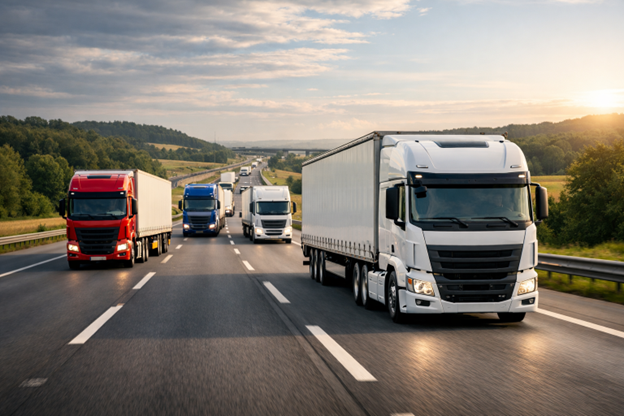
Header image

In today’s globalized economy, efficient logistics are critical for businesses looking to streamline operations and reduce costs. Among the various modes of transport, road freight has emerged as a versatile and reliable solution for domestic and regional shipping. In this guide, we’ll explore everything modern businesses need to know about road freight forwarding services, how to choose the right provider, and how to optimize your supply chain.

What Are Road Freight Forwarding Services?

Road freight forwarding services involve the transportation of goods by trucks or lorries, coordinated by a professional freight forwarder. A freight forwarder acts as an intermediary between the shipper and the carrier, managing logistics, documentation, and compliance requirements.

Key responsibilities of a freight forwarder include:

  • Planning optimal routes for timely delivery
  • Coordinating pick-up and drop-off schedules
  • Managing customs clearance and legal documentation
  • Ensuring cargo safety and insurance coverage

Modern freight forwarding services offer tailored solutions for businesses of all sizes, whether it’s a small enterprise shipping locally or a multinational company transporting goods across borders.

Benefits of Road Freight Forwarding for Businesses

Road freight forwarding provides multiple advantages:

  1. Flexibility and Accessibility
    Unlike sea or air freight, road transport can reach areas where other modes cannot, making it ideal for regional deliveries.
  2. Cost-Effective for Short to Medium Distances
    Road freight is often more economical for domestic and cross-border shipments compared to air freight.
  3. Faster Transit Times for Regional Shipping
    Road networks provide direct routes between cities, reducing handling and delays.
  4. Customizable Logistics Solutions
    Modern freight forwarders like Fletching Logistics offer flexible transport options, including full truckload (FTL) and less-than-truckload (LTL) services.
  5. Real-Time Tracking and Transparency
    Businesses can monitor shipments through digital platforms, improving supply chain visibility and decision-making.

How Road Freight Forwarding Works: Step-by-Step

Understanding the process helps businesses maximize efficiency and reduce costs. Here’s a step-by-step guide:

Step 1: Initial Consultation with a Freight Forwarder

Contact a reputable provider such as Fletching Logistics to discuss shipment requirements, cargo type, volume, and destination.

Step 2: Route and Mode Selection

The forwarder will analyze routes, considering factors like distance, traffic patterns, and regulatory compliance. Options may include:

  • Full Truckload (FTL) for large shipments
  • Less-than-Truckload (LTL) for smaller or fragmented shipments

Step 3: Documentation and Compliance

A professional freight forwarder handles all documentation, including:

  • Waybills
  • Customs paperwork for cross-border transport
  • Insurance documentation for cargo safety

Step 4: Cargo Pickup and Loading

The forwarder coordinates pick-up from the supplier or warehouse. Proper packing and loading ensure cargo safety and compliance with regulations.

Step 5: Transportation and Monitoring

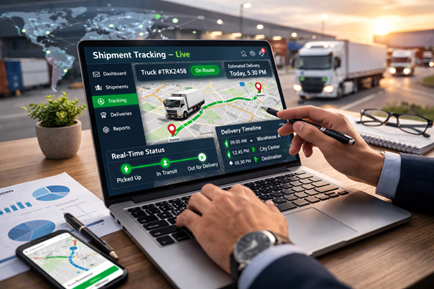
Using GPS-enabled tracking systems, businesses can monitor their shipment in real-time, ensuring timely deliveries.

Step 6: Delivery and Confirmation

Upon arrival, the cargo is inspected and verified before handover. The forwarder ensures proof of delivery and manages any exceptions.

Types of Cargo Ideal for Road Freight Forwarding

Road freight can accommodate a variety of cargo types:

  • General goods (non-perishable items)
  • Perishable goods with refrigerated trucks
  • Hazardous materials (requires special permits and handling)
  • Oversized or heavy machinery

A reliable freight forwarder assesses cargo requirements and recommends the safest and most cost-effective transport method.

Choosing the Right Freight Forwarder

Selecting the right freight forwarder can significantly impact your business efficiency. Here’s what to look for:

  1. Experience and Reputation
    Choose a provider with a strong track record in handling shipments similar to yours.
  2. Network and Coverage
    A global or regional network ensures reliable delivery options.
  3. Technology and Tracking Systems
    Real-time monitoring, automated alerts, and digital reporting enhance transparency.
  4. Cost Structure and Flexibility
    Compare pricing models, including FTL and LTL options, and check for hidden fees.
  5. Customer Support
    Responsive support teams help address issues quickly, minimizing delays.

Fletching Logistics combines all these elements to provide seamless freight forwarding services for modern businesses.
Common Challenges in Road Freight and How to Overcome Them

Real-time tracking of road freight shipments on a digital dashboard

While road freight is flexible, businesses should be aware of common challenges:

  1. Traffic Congestion - Plan shipments during off-peak hours and consider alternative routes.
  2. Regulatory Compliance - Use a forwarder experienced in cross-border and regional laws.
  3. Cargo Damage - Employ proper packing, insurance, and secure loading methods.
  4. Delays and Uncertainty - Real-time tracking and contingency planning help reduce risks.

Most Searched Questions About Road Freight Forwarding Services

Q1: What is the difference between a freight forwarder and a shipping company?
A freight forwarder manages the entire logistics process, including documentation, insurance, and route planning, while a shipping company primarily provides the transport vehicle.

Q2: Can small businesses benefit from road freight forwarding?
Absolutely. Options like LTL shipments allow small businesses to ship goods cost-effectively without hiring a full truck.

Q3: How do I track my road freight shipment?
Modern forwarders like Fletching Logistics offer GPS-enabled tracking dashboards and regular updates via email or mobile apps.

Q4: Are road freight forwarding services safe for fragile cargo?
Yes, as long as proper packing, insurance, and professional handling are in place. Refrigerated trucks are available for temperature-sensitive goods.

Q5: How can I get a quote for road freight forwarding?
Contact the provider through their contact page with your shipment details for a tailored quote.

Tips for Businesses to Optimize Road Freight

  1. Plan Shipments Ahead of Time - Avoid last-minute bookings to reduce costs and delays.
  2. Consolidate Cargo - Combining multiple shipments reduces transport costs.
  3. Use Reliable Forwarders - A professional partner ensures smooth documentation and compliance.
  4. Leverage Technology - Track shipments, monitor fuel efficiency, and analyze logistics performance.
  5. Negotiate Flexible Contracts - Seasonal or high-volume businesses can benefit from scalable agreements.

Why Partner with Fletching Logistics?

Fletching Logistics is a trusted provider of road freight forwarding services, offering:

  • Customized logistics solutions for businesses of all sizes
  • State-of-the-art tracking and monitoring systems
  • Expert handling of documentation and compliance
  • Competitive pricing and scalable services

Businesses looking to improve efficiency, reduce costs, and ensure timely deliveries can rely on Fletching Logistics as a strategic logistics partner.

Conclusion

In an era of fast-moving commerce, road freight forwarding services are essential for modern businesses seeking efficient, cost-effective, and reliable transport solutions. From route planning to cargo tracking, working with a professional freight forwarder like Fletching Logistics ensures your goods reach their destination safely and on time.

For tailored solutions and to discuss your logistics needs, reach out via the our website today.